Loading...
This record has been deleted. Since it is linked to a published record, it is available here for reference purposes only.
Click here to view the deleted recordEste registro ha sido actualizado. Esta no es la última versión publicada. Haga clic aquí para ver la última versión del registro
Recursos de la biblioteca virtual
(VLR)
published: 06 abr. 2018
last updated: 14 jul. 2026
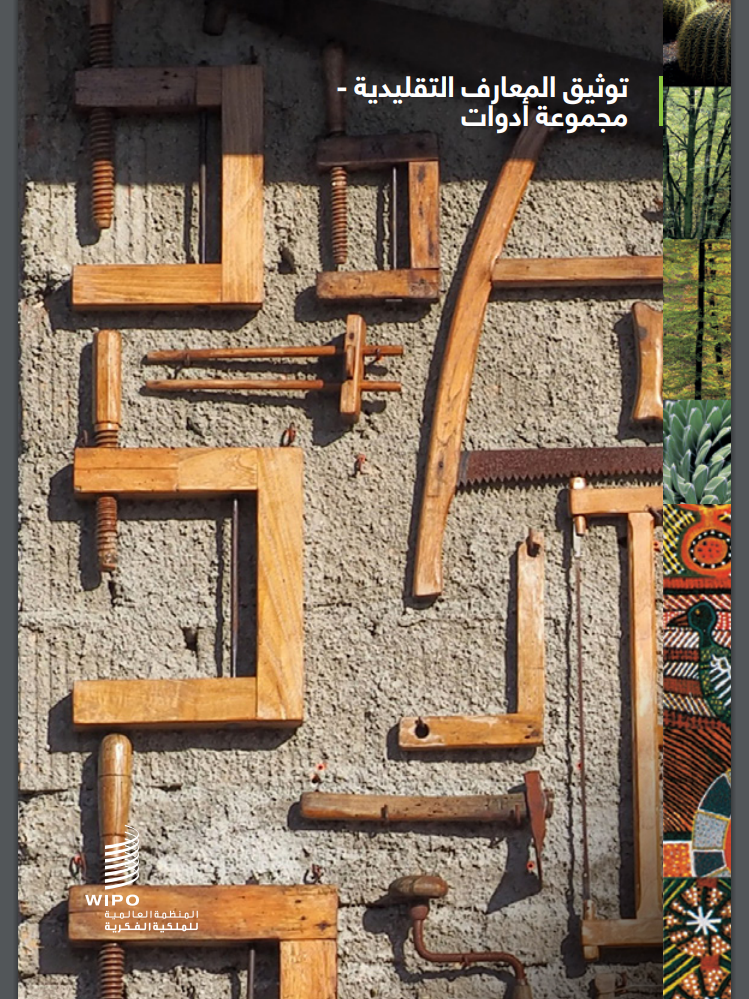
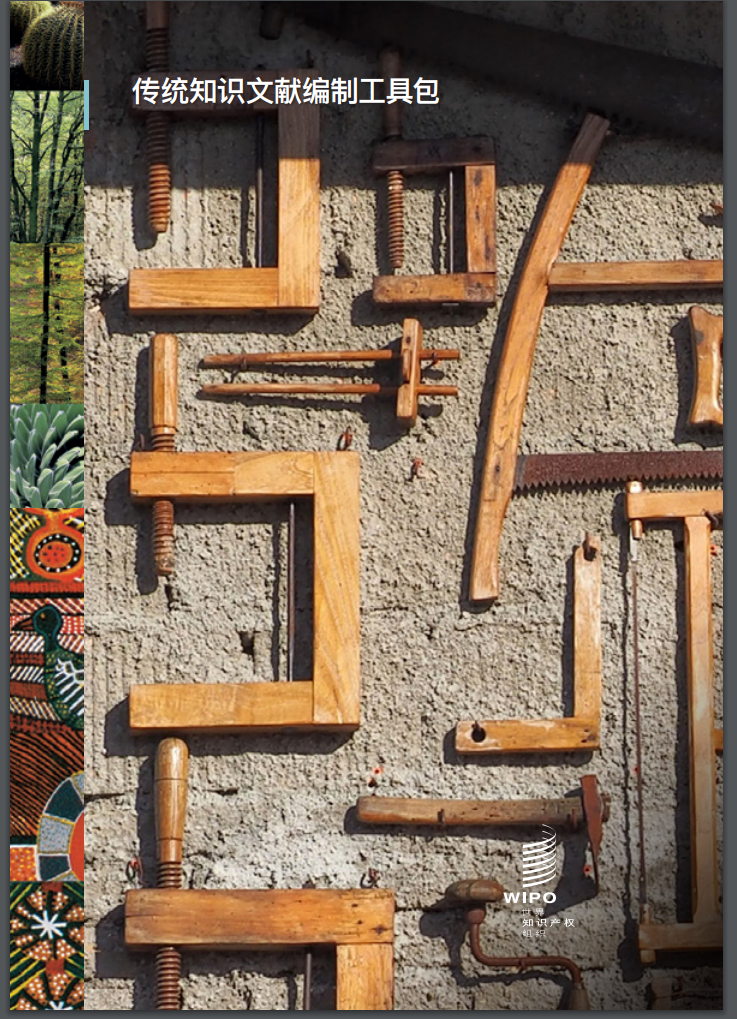
Documenting Traditional Knowledge - A Toolkit
EN
- Organismo de las Naciones Unidas y otros organismos especializados del sistema común de las Naciones Unidas
34, chemin des Colombettes
Geneva,
CH-1211, Suiza
Teléfono: +41 22 338 8161,
Fax: +41 22 733 5428,
Correo electrónico: admin@wipo.int,
Sitio web: http://www.wipo.int/,
2017-01
ES
- WIPO Website [ English ]
- wipo_pub_1049.pdf [ English ]
- wipo_pub_1049.pdf [ Arabic ]
- wipo_pub_1049 (1).pdf [ Chinese ]
A wide range of tools and proposals have been developed over the past decade or so to protect traditional knowledge (TK) and traditional cultural expressions (TCEs) (including using classical IP systems, developing sui generis legislation, applying defensive protection instruments, among others). Special attention has been given to documentation and the role of databases and registers in this regard.
As a result, identifying, collecting and organizing TK and TCEs has become a widely discussed option to guarantee indigenous peoples’ and local communities’ social, cultural and economic interests. Documenting TK and TCEs has emerged as one of the tools which may play a role in impeding further loss of TK, maintaining TK over time, supporting benefit-sharing and, ultimately, protecting TK and TCEs from unwanted uses.
Yet, the mere documentation of TK or TCEs cannot stand alone as an effective strategy for protecting TK and TCEs. TK and TCEs documentation should not take place within a legal and policy vacuum.
Indeed, concerns and questions have been raised regarding documentation and its potential effects on the rights, cultures and livelihoods of indigenous peoples and local communities, including through the placing of TK and TCEs in the "public domain", the loss of control, the making of TK and TCEs publicly available, the loss of the secret nature of some TK and TCEs, etc.
Documenting Traditional Knowledge – A Toolkit PDF, Documenting Traditional Knowledge – A Toolkit presents a range of easy-to-use checklists and other resources to help ensure that anyone considering a documentation project can address those issues effectively.
EN
- 16. Protocolo de Nagoya sobre Acceso y Participación en los Beneficios
- 18. Conocimientos tradicionales
- GBF-T13.
- GBF-T22.
Migrated information
Format: Text document (e.g. adobe acrobat reader or Word)
Civil society organizations
Government officials
Indigenous peoples and local communities
Expertise Level: Intermediate
EN
Format: Text document (e.g. adobe acrobat reader or Word)
Target Groups
Civil society organizations
Government officials
Indigenous peoples and local communities
Expertise Level: Intermediate


